EN
EN

O Ring Material Comparison: NBR, EPDM, Silicone and Viton Performance Analysis
2026/08/22
Explore Maihua's analysis of NBR, EPDM, silicone, and Viton O rings for optimal performance in various applications.
2026/08/23
Rubber valve seals play a big role in how hydraulic and pneumatic control valves work. These seals help keep fluids from leaking and make sure everything runs smoothly. At Maihua, we know how important it is to have strong seals. They ensure that machines do their jobs right and don’t waste energy. If a seal fails, it can cause problems like leaks, which can be messy and costly. Understanding what makes a good rubber valve seal is key to making sure that your valves perform well in all kinds of conditions.
Rubber valve seals need to meet several important requirements. First, they must be durable. They face a lot of pressure and might be exposed to different temperatures. If a seal wears out too quickly, it can lead to leaks. Second, the seal must fit perfectly. If it is too loose or too tight, it won’t work as it should. A good fit helps to create a tight barrier that keeps fluids contained. Third, the material used for the seal is very important. The rubber should be resistant to chemicals and wear. For example, if a seal is used in a hydraulic system with oil, it needs to resist oil breakdown. Finally, seals should be flexible enough to handle movement. Valves often open and close, and the seal must be able to move without breaking. At Maihua, we focus on these factors to make seals that last and perform well.
Choosing the right rubber valve seal can be tricky, but it’s important for good performance. Start by looking at the environment where the valve will be used. If it will be in a hot place, you need a seal that can handle high temperatures. If there are strong chemicals around, choose a rubber that is resistant to those chemicals. You should also think about the size of the valve. A seal that fits well is more effective. Measure the valve carefully to get the right size. Next, consider how much pressure the seal will face. Some seals are designed for low pressure while others can handle high pressure. At Maihua, we offer a variety of seals for different conditions. It’s also smart to look at the brand. Some brands have better reputations for quality. Finally, don’t forget about the cost. While saving money is important, investing in a good seal can prevent problems down the line. Always keep in mind the specific needs of your industry and equipment.
Rubber valve seals play a big role in how well control valves work. When we think about control valves, we can picture them as the gatekeepers for fluids like water, oil, or air. These valves need to open and close smoothly to control the flow of these fluids. The rubber seal is what keeps the fluids from leaking out when the valve is closed. If the seal is not designed properly, it can cause leaks, and that can make the whole system less efficient. For example, if a valve leaks, more energy is needed to maintain the right pressure. This means more work for pumps and machines, which can lead to higher energy costs. A good rubber seal should fit snugly and create a strong barrier. At Maihua, we focus on designing seals that are not only strong but also flexible. This flexibility helps the seal adapt to the shape of the valve, ensuring that it fits well even when the valve is moving. A well-designed rubber seal can also handle changes in temperature and pressure, making it more reliable. If the seal can keep its shape and strength under different conditions, the control valve will work better. In short, the design of rubber seals and gaskets is crucial for making sure that control valves operate efficiently. Less leaking means less waste of energy and resources, which is good for both the environment and our wallets.
When designing rubber valve seals, choosing the right materials is very important, especially for extreme conditions. Extreme conditions can mean very high temperatures or very low temperatures, or even harsh chemicals that can break down materials. At Maihua, we know that not all rubber is the same, and some types of rubber work better in tough situations than others. For example, silicone rubber is great for high temperatures. It can handle heat well and still keep its shape. This makes it a good choice for valves that deal with hot liquids or gases. On the other hand, nitrile rubber is better for cold temperatures and is also resistant to oils and fuels. This makes it a popular choice for automotive applications. For places where chemicals are involved, we might use fluorocarbon rubber. This type of rubber is tough against many harsh chemicals and can last a long time without breaking down. It is important to think about where the valve will be used and what kind of fluids it will control. That way, we can pick the best rubber material for the job. If the wrong material is used, the seal can wear out quickly, leading to leaks and a need for replacements. By using the right rubber materials, we can ensure that valve seals last longer and work better, even in the toughest conditions.
The world of rubber valve seal design is always changing, and new innovations are helping to make them better. At Maihua, we are excited about these changes because they help us create seals that perform better and last longer. One big innovation is the use of 3D printing technology. With 3D printing, we can create very precise and complex shapes for rubber seals that were hard to make before. This means we can design seals that fit perfectly in their valves, reducing leaks and improving efficiency. Another exciting development is the use of smart materials. These materials can change their properties based on the conditions around them. For example, some smart rubbers can become softer when heated and harder when cooled. This adaptability can help seals perform better under different conditions. Additionally, there is a growing focus on eco-friendly materials. Many companies, including Maihua, are looking for ways to use sustainable rubber that is better for the environment. This means we can create seals that not only work well but also help protect our planet. Finally, advancements in testing and measurement tools allow us to understand how our rubber seals perform over time. This data helps us make improvements and ensure that our products meet high standards. Innovations in drinking water valve seals design are making a big difference, allowing us to create better products for various industries and applications.
2026/08/22
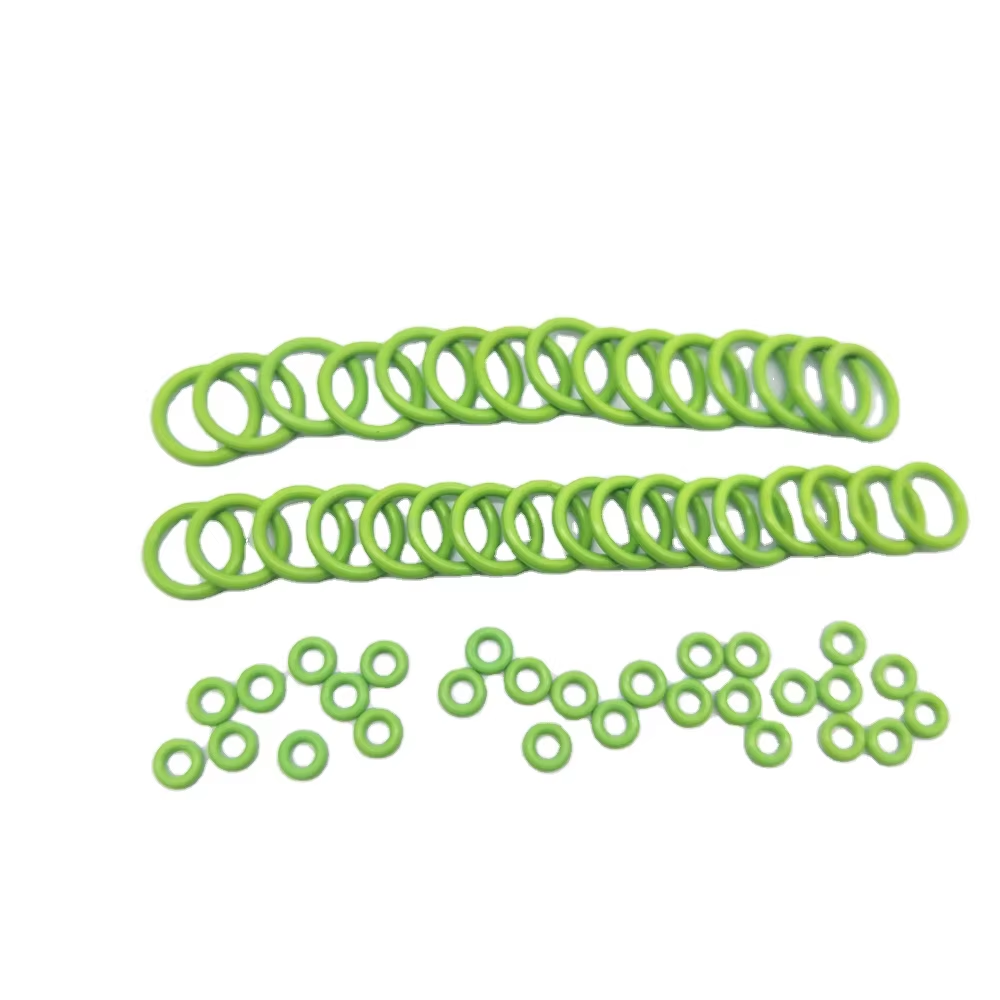
Explore Maihua's analysis of NBR, EPDM, silicone, and Viton O rings for optimal performance in various applications.
2026/08/21
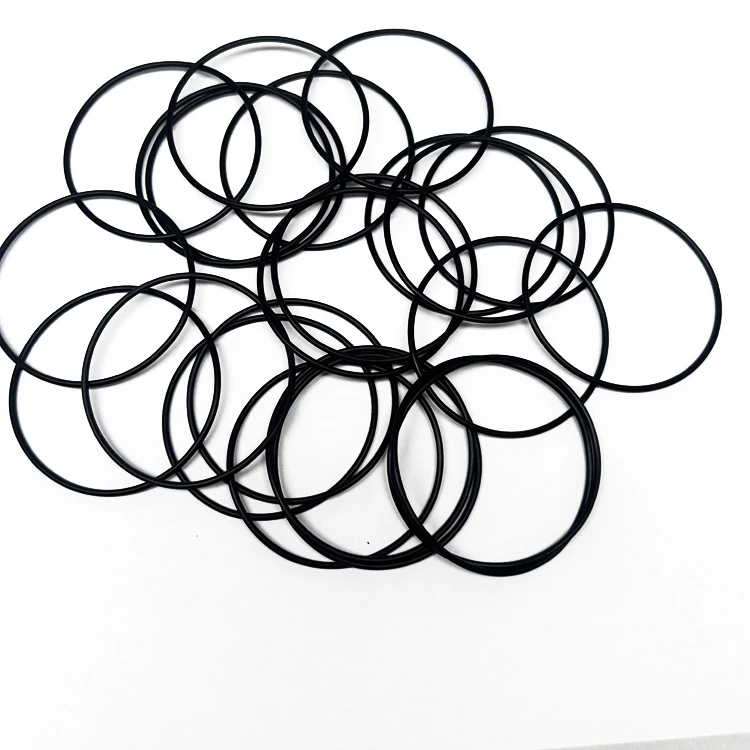
Explore Maihua's high-quality food safe rubber seals for sanitary processing equipment, ensuring safety and reliability in your operations.
2026/08/20
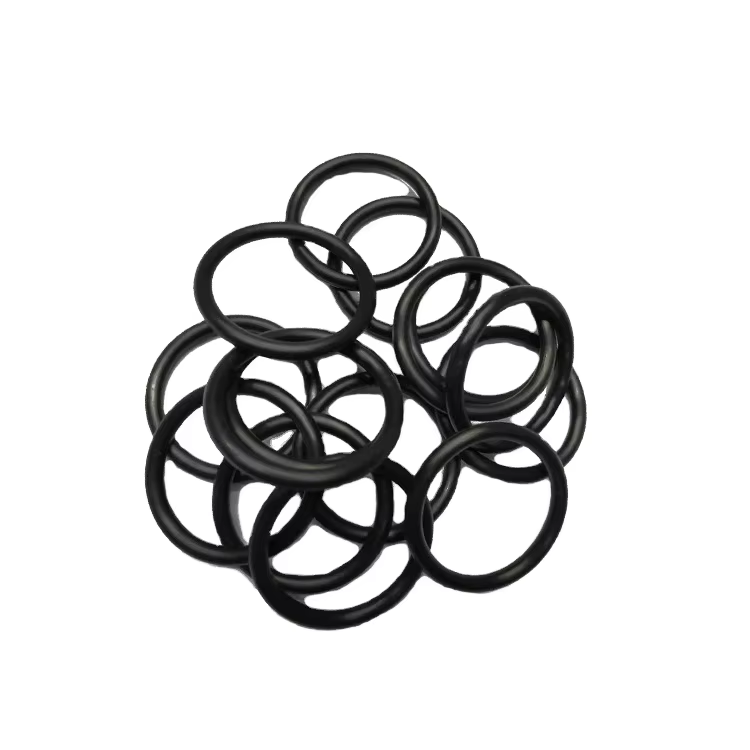
Discover how Maihua's Viton seals enhance performance in harsh environments for various applications.
2026/08/19
Discover how Maihua offers precision custom rubber parts through compression molding for various industries.
2026/08/18
Discover how Maihua's automotive rubber valve seals improve engine oil efficiency and performance.