EN
EN

Rubber Valve Seal Design Requirements for Hydraulic and Pneumatic Control Valves
2026/08/23
Discover key design requirements for optimal performance of rubber valve seals by Maihua, a leader in sealing solutions.
2026/07/27
High-pressure rubber seals are very important for hydraulic equipment. These seals help keep the equipment working smoothly and safely. At Maihua, we understand how crucial these seals are, as they prevent leaks and protect the machinery from damage. When machines operate under high pressure, they need strong seals to keep fluids inside and avoid any malfunctions. This is especially true for hydraulic systems, which are widely used in construction, manufacturing, and various other industries. With the right design and materials, high-pressure rubber seals can greatly improve the efficiency and lifespan of hydraulic equipment.
High-pressure rubber seals have many advantages. First, they help prevent leaks. When hydraulic equipment works, it relies on fluids to operate correctly. If there’s a leak, the equipment can lose pressure and stop working. This can cause problems and be costly to fix. With high-quality rubber seals, the chance of leaks is much lower. Another benefit is that these seals can handle extreme temperatures and pressures. For example, some hydraulic systems operate in hot or cold environments. High-pressure rubber seals made from the right materials can withstand these conditions without breaking down. This means that the equipment can work longer without needing repairs. Durability is another key benefit. Rubber seals are designed to last. They can resist wear and tear even in tough working conditions. This means fewer replacements and lower maintenance costs for businesses. Also, using high-pressure rubber seals can improve the performance of hydraulic equipment. When seals are working well, the machinery runs smoother and more efficiently. This can lead to better productivity, which is important for any business. Finally, high-pressure rubber seals can be customized. At Maihua, we can design seals to fit specific needs. This means that no matter what type of hydraulic equipment you have, we can create seals that work perfectly for it. All of these benefits make high-pressure rubber seals a smart choice for anyone using hydraulic systems.
Choosing the right high-pressure rubber seals is important for keeping your hydraulic equipment running well. First, you need to know the pressure and temperature levels your machines will face. Different seals are made for different pressures, so you want to pick one that can handle your specific needs. If your machinery works at high temperatures, you must choose seals made from heat-resistant materials. Next, consider the size and shape of the seals. The seals need to fit perfectly to prevent leaks. Measure the areas where the seals will go to ensure a good fit. At Maihua, we can help with custom sizing too! It’s also smart to think about the material of the seal. Different rubber types can resist chemicals, oils, or other substances. If your hydraulic system uses special fluids, make sure the seals can handle those without breaking down. Another factor is how often the seals will be replaced. If your equipment runs all the time, you might want to invest in more durable seals that last longer. Lastly, consider the manufacturer. Choosing a reliable company like Maihua can make a big difference. We have experience and knowledge to help you pick the best seals for your needs. Always ask questions and get advice if you’re unsure. Making the right choice will save you time and money in the long run, keeping your hydraulic equipment safe and efficient.
When you need to find the right design for high-pressure rubber seals and gaskets in your machines, it’s important to know what you are looking for. First, think about the type of equipment you have. Different machines use different types of seals. For example, hydraulic equipment often runs on oil or other liquids. This means the seals need to keep everything inside without leaking. To identify the right seal, you should check the size of the space where the seal will go. Measure the diameter and thickness accurately. You can use a ruler or a measuring tape for this. Next, consider the pressure levels in your equipment. High-pressure rubber seals are made to handle strong forces. If your machine works under very high pressure, make sure to choose seals designed for that level. You can often find this information in the equipment’s manual or by asking the manufacturer.
High-pressure rubber seals are becoming more advanced thanks to new technology. One of the latest trends is the use of new materials. Engineers are now using special kinds of small rubber o rings can perform better under high pressure and temperature. These materials are not only stronger but also last longer. For example, some seals are made from synthetic rubber, which is different from natural rubber. Synthetic rubber can handle higher temperatures and chemicals better than regular rubber. This means your seals can work for a longer time without needing to be replaced. Another trend is the use of better designs. Engineers are creating seals that fit more perfectly in the equipment. This helps to prevent leaks and makes the machines run more smoothly. For instance, some seals have unique shapes that allow them to compress better under pressure. This improves their ability to seal tight spaces and reduces wear and tear.
Sometimes, high-pressure rubber o rings can have problems, and it’s important to know how to fix them. The first common issue is leaking. If you notice oil or liquid leaking from your machine, the seal might be damaged or worn out. To troubleshoot this, first, stop the machine and check the seal carefully. Look for cracks or signs of wear. If you see any damage, it’s time to replace the seal with a new one from Maihua. Another problem could be that the seal is not fitting properly. If the seal is too loose or too tight, it can cause issues. To fix this, make sure you have the correct size seal for your equipment. You can measure the area where the seal fits or consult the equipment manual to find the right size.
2026/08/23
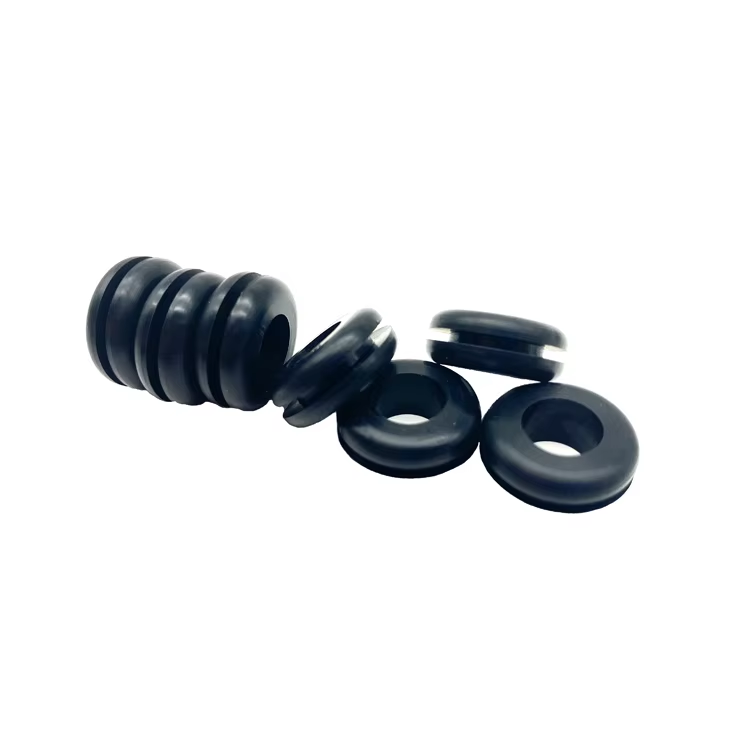
Discover key design requirements for optimal performance of rubber valve seals by Maihua, a leader in sealing solutions.
2026/08/22
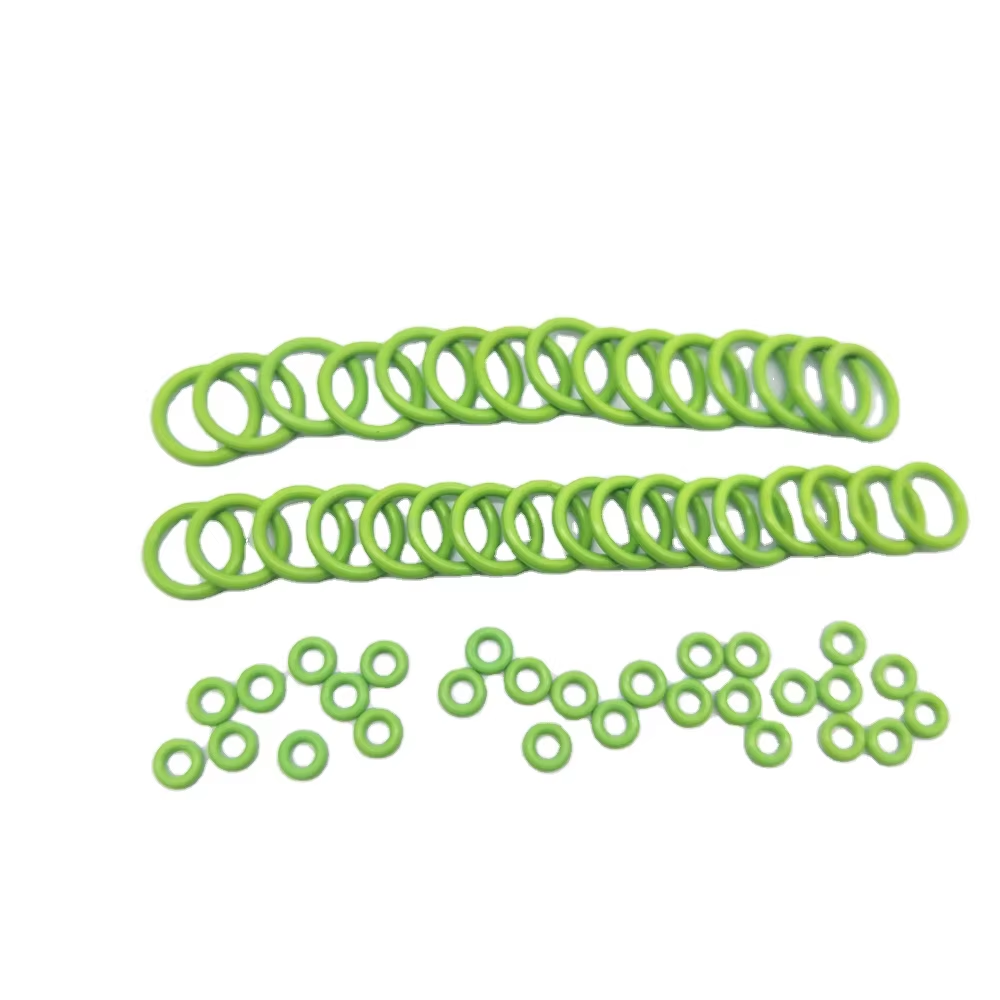
Explore Maihua's analysis of NBR, EPDM, silicone, and Viton O rings for optimal performance in various applications.
2026/08/21
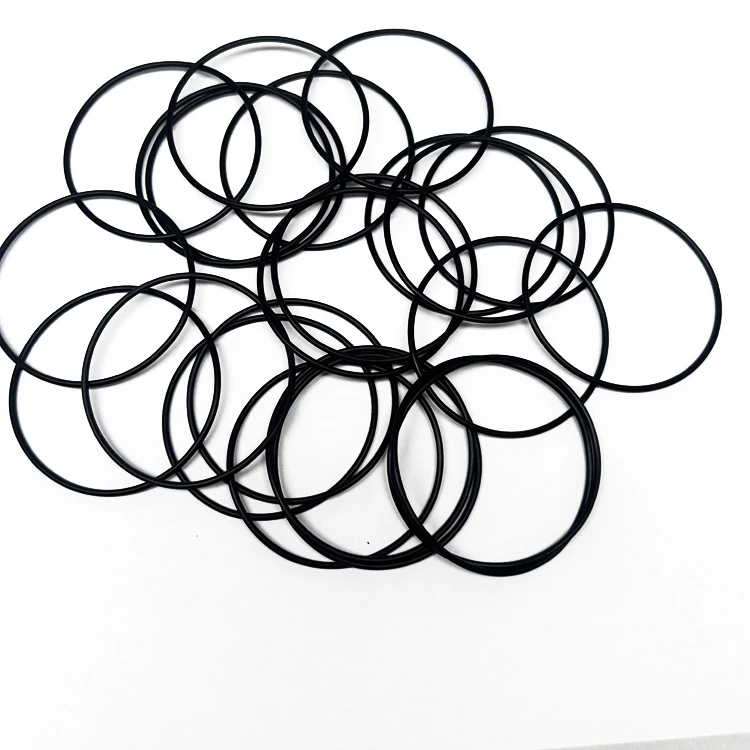
Explore Maihua's high-quality food safe rubber seals for sanitary processing equipment, ensuring safety and reliability in your operations.
2026/08/20
Discover how Maihua's Viton seals enhance performance in harsh environments for various applications.
2026/08/19
Discover how Maihua offers precision custom rubber parts through compression molding for various industries.
2026/08/18
Discover how Maihua's automotive rubber valve seals improve engine oil efficiency and performance.