EN
EN

Rubber Valve Seal Design Requirements for Hydraulic and Pneumatic Control Valves
2026/08/23
Discover key design requirements for optimal performance of rubber valve seals by Maihua, a leader in sealing solutions.
2026/07/28
Oil seals are important parts used in machines and engines to keep oil inside and dirt outside. One key part of an oil seal is its lip structure. The lip is the edge of the seal that touches the surface it seals against. At Maihua, we understand that the design of this lip can make a big difference in how well the oil seal works. A good lip design helps to create a strong seal, preventing leaks. This means that machines can run better and last longer. If the lip is designed poorly, it may not fit well, allowing oil to escape. This can lead to problems like engine failure or machinery breakdowns.
The lip structure design of oil seals is crucial for how effective they are at keeping oil contained. The lip can be made in different shapes and sizes, which can change how it seals. For example, a lip that is too hard may not bend enough to make a good seal. On the other hand, a very soft lip might wear out quickly. Companies like Maihua create lip designs that balance flexibility and strength. This means the lip can adapt to the surface it seals against while staying durable over time. The angle of the lip also matters. A lip that is angled correctly can push oil back towards the center, reducing the chance of leaks. Additionally, the material used for the lip affects its sealing power. Some materials resist heat and wear better than others. This is especially important in engines that run very hot. A properly designed lip can also handle dirt and debris, which helps prevent damage to the seal and the machine. Ultimately, the right lip structure design can lead to better performance, fewer leaks, and a longer lifespan for both the oil seal and the machinery it protects.
There are several common issues that can happen with oil seal lip structures. One problem is improper fitting. If the lip does not fit snugly against the surface it is sealing, oil can leak out. This could be due to a manufacturing error or wear and tear over time. Another issue is lip wear. If the lip is made from a material that cannot handle the conditions it is in, it may wear out faster than expected. For example, a lip that is too soft may break down quickly in high heat. Additionally, if dirt and grime get caught between the lip and the surface, it can cause the lip to wear unevenly. This can make the seal less effective, leading to leaks. Misalignment is another issue. If the oil seal is not installed correctly, the lip may not create a good seal. This can happen during installation or due to movement in the machinery. At Maihua, we focus on creating seals that minimize these issues. By using high-quality materials and precise manufacturing techniques, we aim to reduce the chances of these common problems. Addressing these issues is important to ensure that oil seals perform well and keep machines running smoothly.
Choosing the right lip design for your oil seal is very important. An oil seal is a small part that helps keep oil inside a sealing rubber gasket the part of the seal that touches the surface of the machine. It can be made in different shapes and sizes. When picking a lip design, you should think about the type of machine where the oil seal will be used. For example, if the machine moves a lot, you might need a lip that can bend and flex better. On the other hand, if it stays still, a firmer lip might work well. Another thing to think about is the kind of oil you are using. Different oils have different thicknesses. Some are very thick, while others are thin. The lip design should match the type of oil. If you use a thick oil, you might need a lip that can handle the pressure. Likewise, thin oils might need a different design to make sure they stay inside the machine. Temperature is also important. If the machine gets very hot or very cold, the lip material should be able to handle those temperatures without breaking down.
When you are looking at oil seal lip structures for your business, there are several important factors to consider. First, think about the material of the lip. Different materials can affect how well the seal performs. For example, rubber is a common material because it is flexible and can create a good seal. However, some rubber sealing washers might need a lip made from a stronger material like silicone or polyurethane, especially if they work in extreme conditions. Next, you should evaluate the shape of the lip. Some lips are designed to be flat, while others might be angled or have a special groove. The shape can influence how well the seal keeps oil inside the machine. If the lip is not shaped correctly, it might not seal properly, which can lead to leaks.
Sometimes, oil seals can have problems that affect how well they work. Knowing how to troubleshoot these problems is important for keeping your machines running smoothly. One common issue is leaking oil. If you notice oil dripping from your machine, the lip of the seal might be damaged or worn out. This can happen if the rubber sealing strips is used a lot or if the wrong lip design was chosen. To fix this, you might need to replace the oil seal with a new one from Maihua that has the right lip design for your machine. Another problem might be that the seal is making noise. This could be due to the lip not making a good connection with the machine’s surface. If the lip is not seated correctly, it might vibrate or rattle, causing noise. To solve this, check to see if the seal is installed properly. If it is loose, you may need to reinstall it or choose a different lip design that fits better.
2026/08/23
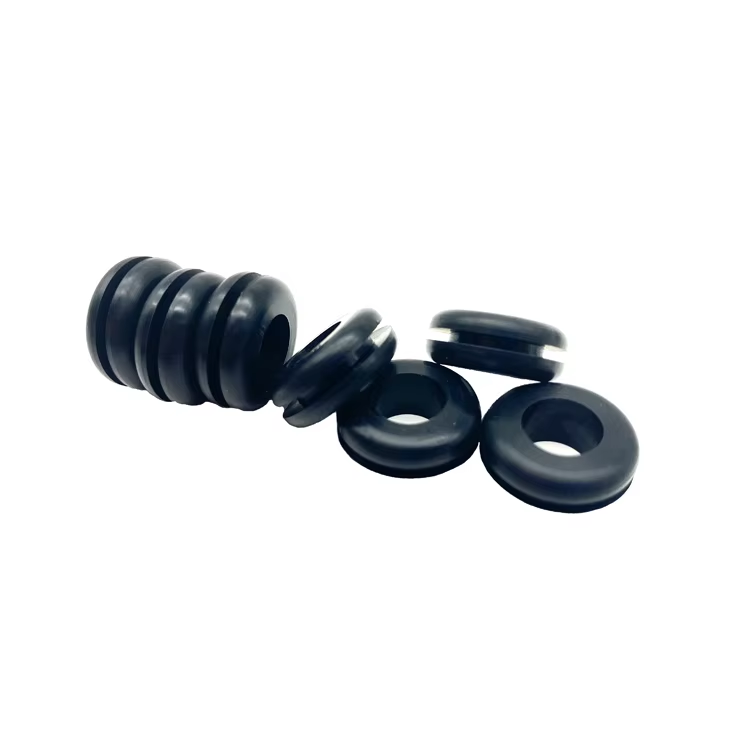
Discover key design requirements for optimal performance of rubber valve seals by Maihua, a leader in sealing solutions.
2026/08/22
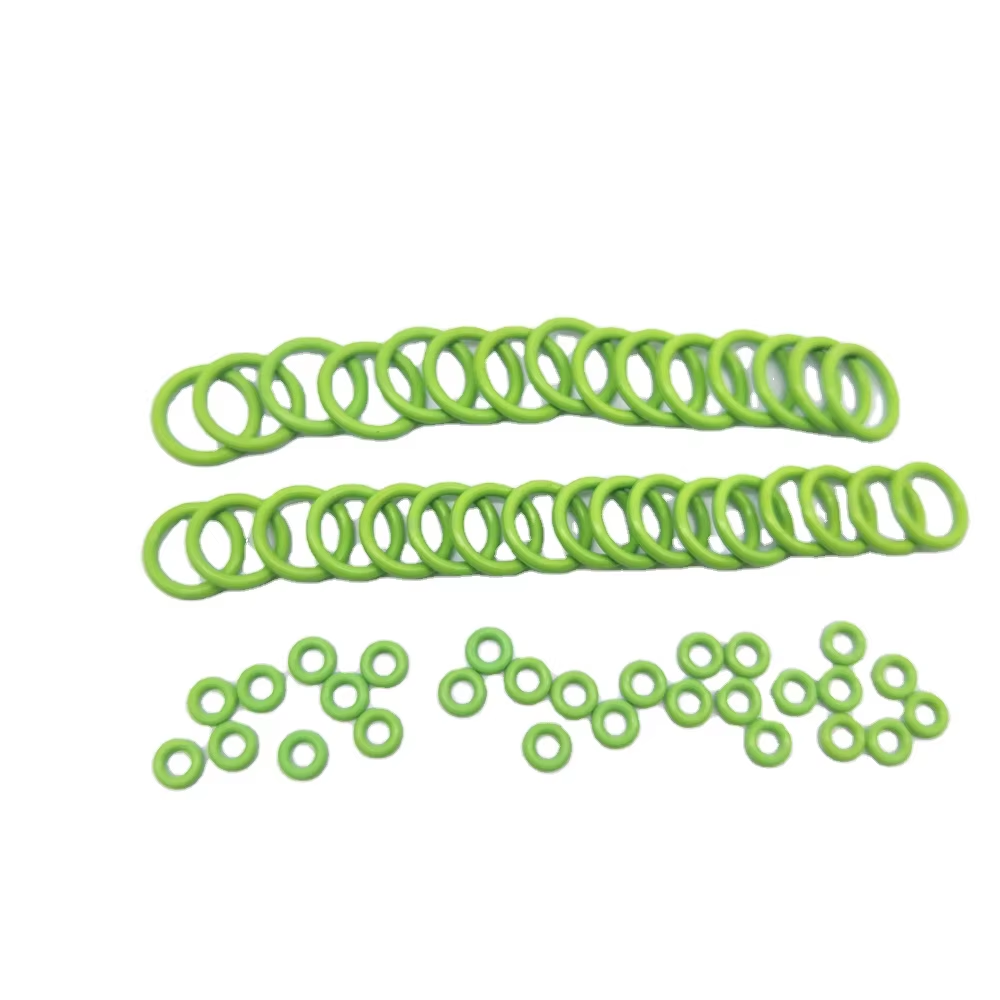
Explore Maihua's analysis of NBR, EPDM, silicone, and Viton O rings for optimal performance in various applications.
2026/08/21
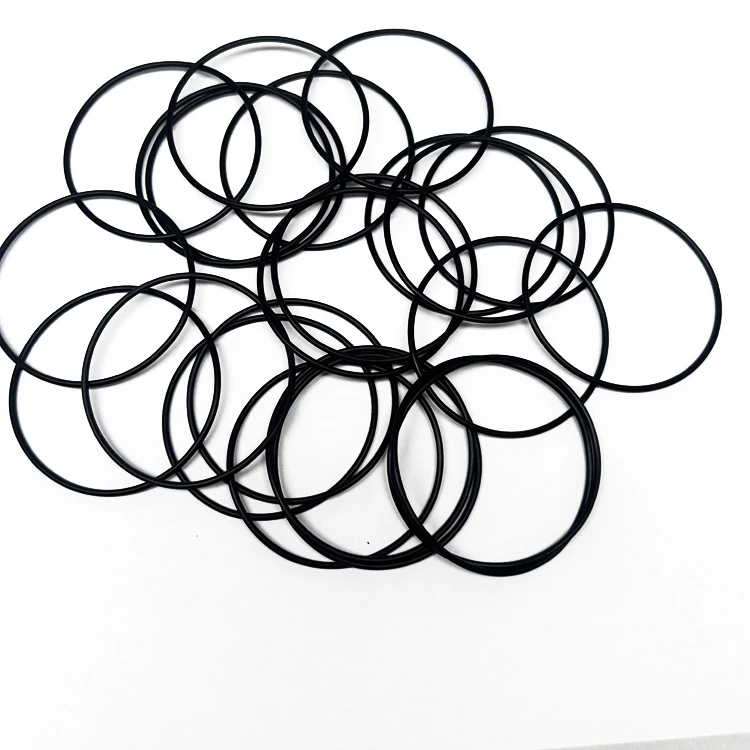
Explore Maihua's high-quality food safe rubber seals for sanitary processing equipment, ensuring safety and reliability in your operations.
2026/08/20
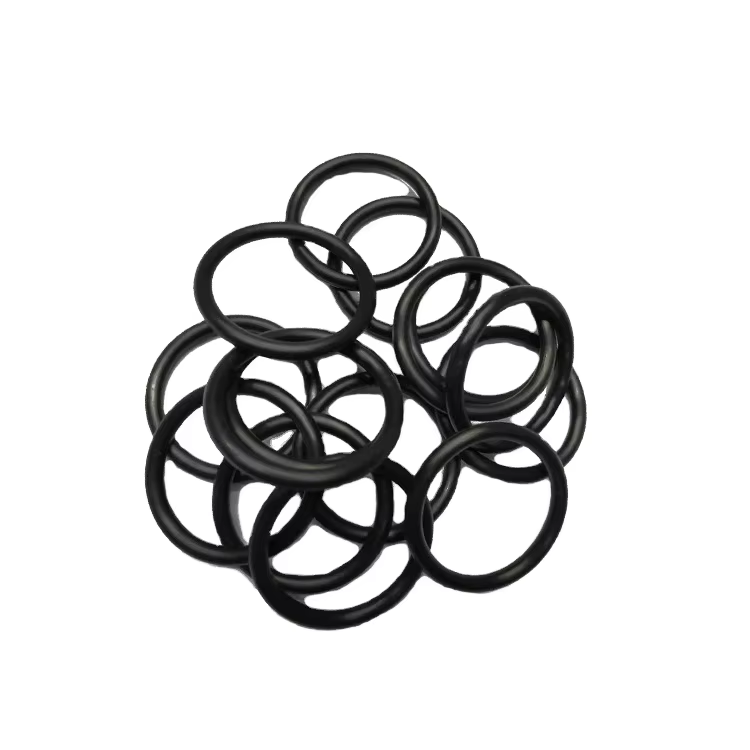
Discover how Maihua's Viton seals enhance performance in harsh environments for various applications.
2026/08/19
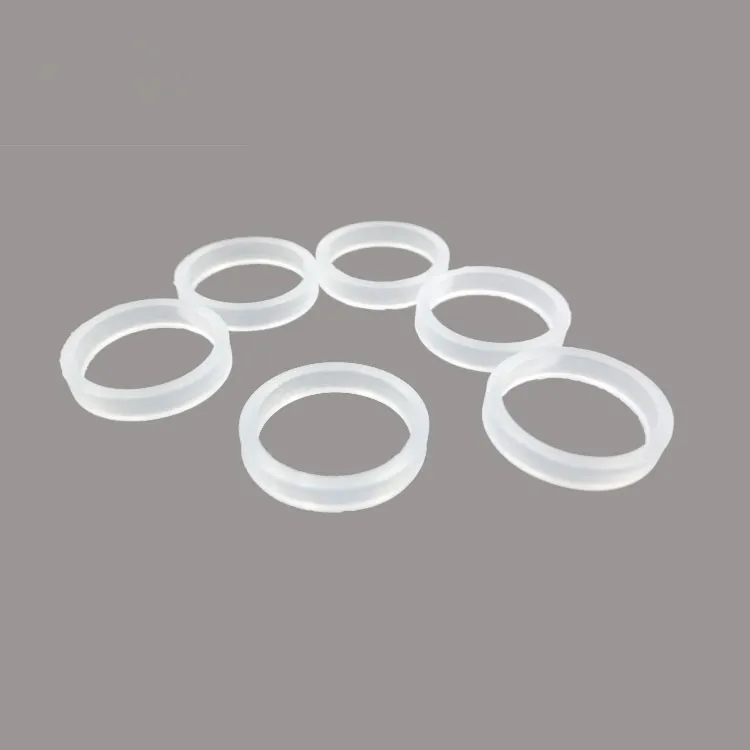
Discover how Maihua offers precision custom rubber parts through compression molding for various industries.
2026/08/18
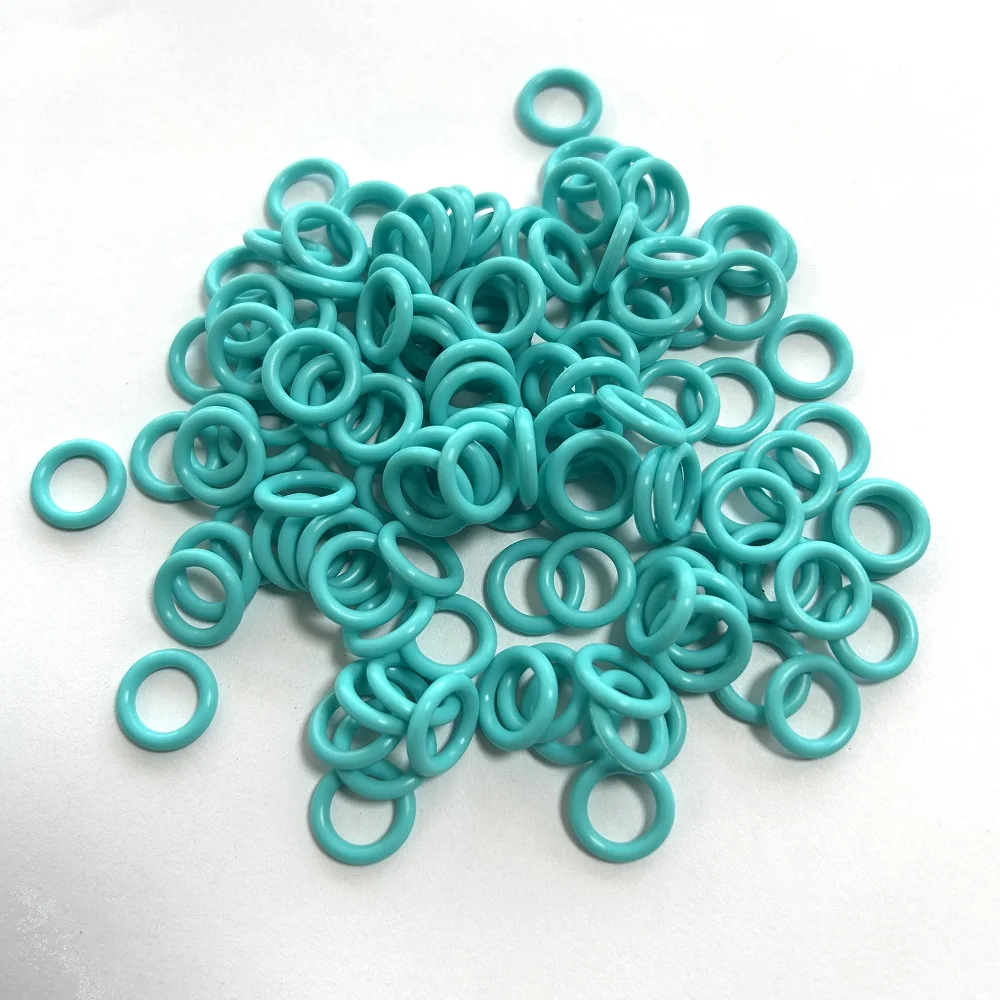
Discover how Maihua's automotive rubber valve seals improve engine oil efficiency and performance.